
B2B content marketing has evolved into one of the most powerful growth engines for companies that sell to other businesses. As decision-makers continue to demand value-driven, trustworthy, and educational content, B2B brands must adapt to this new landscape. Today, businesses that invest in quality content earn more leads, build stronger authority, and maintain long-term customer relationships.
In 2025, B2B buyers don’t respond to aggressive sales tactics. Instead, they seek brands that educate, guide, and solve real problems. This is where a strong B2B content marketing strategy becomes essential.
This comprehensive guide covers everything you need to know—what B2B content marketing is, why it works, best practices, emerging trends, content distribution methods, advanced strategies, tools, and real-life examples you can follow.
What Is B2B Content Marketing?
B2B content marketing is the strategic creation and distribution of valuable content to attract, educate, and convert business buyers. Unlike B2C, where content may focus on emotions or impulse purchases, B2B content is driven by logic, expertise, ROI, trust, and long-term solutions.
B2B audience expectations include:
-
Data-backed insights
-
Professional problem-solving
-
Industry expertise
-
Long-form educational content
-
Clear value demonstration
Examples of common B2B content formats include case studies, whitepapers, blogs, webinars, reports, infographics, email nurturing sequences, and product-led content.
Why B2B Content Marketing Matters in 2025
B2B buying behavior has changed drastically. Decision-makers research extensively before contacting sales teams. In fact:
-
87% of B2B buyers start their research online
-
74% consume 3–7 pieces of content before making a purchase
-
62% prefer vendor-neutral, educational content
-
Content-driven companies generate 3x more leads
This shift makes content marketing not just optional, but essential for sustainable growth.
Here are the biggest reasons it matters now more than ever:
1. Builds Trust and Credibility
Business buyers want to work with trusted experts. High-quality content positions your brand as a leader in your niche.
2. Generates Consistent Leads
Content like blog posts, guides, calculators, and whitepapers attracts high-intent leads organically.
3. Shortens the Sales Cycle
Educated buyers make decisions faster. Content nurtures them through each stage of the funnel.
4. Supports SEO and Organic Visibility
Publishing valuable B2B content improves domain authority and search rankings.
5. Boosts Engagement and Retention
Educational content improves onboarding, customer satisfaction, and retention rates.
B2B Content Marketing vs. B2C Content Marketing
Understanding the difference helps optimize your strategy effectively.
| Feature | B2B Content Marketing | B2C Content Marketing |
|---|---|---|
| Target Audience | Businesses, professionals | General consumers |
| Content Style | Educational, logical, data-driven | Emotional, entertaining |
| Buying Cycle | Long, complex | Short, impulse-based |
| Formats | Case studies, whitepapers, reports | Short videos, blogs, ads |
| Decision Factors | ROI, efficiency, long-term value | Price, emotion, trends |
| Distribution | LinkedIn, email, webinars | Instagram, TikTok, YouTube |
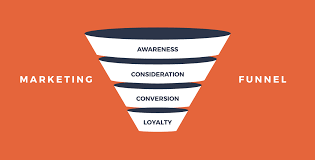
B2B Content Marketing Funnel Explained
To convert prospects successfully, your content must match the buyer’s journey.
1. Top of Funnel (Awareness)
Your goal here is to attract and educate visitors.
Content Types:
-
Blog posts
-
Educational guides
-
Industry trends
-
Social posts
-
SEO content
-
Infographics
2. Middle of Funnel (Consideration)
Buyers evaluate solutions. You must show thought leadership.
Content Types:
-
Ebooks
-
Webinars
-
Checklists
-
Comparison guides
-
Product explainers
3. Bottom of Funnel (Decision)
Now you must provide validation and proof.
Content Types:
-
Case studies
-
Testimonials
-
Product demos
-
Pricing guides
-
ROI calculators
4. Post-Purchase (Retention)
Keep customers satisfied and engaged.
Content Types:
-
Onboarding content
-
How-to guides
-
Knowledge base articles
-
Customer stories
-
Updates and newsletters
How to Create a Successful B2B Content Marketing Strategy (Step-by-Step)
Follow these steps to build a winning B2B content strategy.
Step 1: Define Your ICP and Buyer Personas
Understanding your target audience is the foundation of effective B2B content marketing.
Key questions:
-
Who are your decision-makers?
-
What industry do they belong to?
-
What challenges do they face?
-
What motivates them to buy?
Personas may include:
-
CEO
-
CTO
-
Operations Manager
-
Procurement Head
-
Marketing Director
Step 2: Conduct Competitor Analysis
Identify what competitors are ranking for and understand content gaps.
Analyze:
-
Their content topics
-
Blog structure
-
SEO keywords
-
Lead magnets
-
Content formats they are using
-
Their distribution channels
Tools you can use:
-
Ahrefs
-
SEMrush
-
Moz
-
SpyFu
Step 3: Set Clear, Measurable Goals
Examples of B2B content marketing goals:
-
Increase organic traffic by 40%
-
Generate 200 monthly leads
-
Increase conversions by 15%
-
Improve email engagement by 20%
Step 4: Choose the Right Content Types
Popular B2B content formats include:
-
Long-form blogs
-
Whitepapers
-
Webinars
-
Case studies
-
Product-led content
-
Industry reports
-
Checklists
-
Templates
-
Research-backed articles
Step 5: Build a Content Calendar
Your calendar should cover:
-
Posting frequency
-
Content themes
-
Personas targeted
-
Funnel stages
-
Content formats
-
Channels
-
SEO keywords
Step 6: Optimize Content for SEO
Key SEO techniques:
-
Use long-tail keywords
-
Insert keywords in headings
-
Add internal links
-
Add external authority links
-
Use schema markup
-
Optimize images
-
Improve readability
-
Use descriptive meta tags
Step 7: Create High-Quality, Research-Based Content
Important characteristics of strong B2B content:
-
Data-backed insights
-
Industry statistics
-
Clear problem-solving
-
Practical frameworks
-
Actionable steps
-
Simple, professional language
Step 8: Build a Strong Content Distribution Strategy
Publishing is only 20% — distribution is 80%.
Top distribution channels:
1. LinkedIn
Best platform for B2B thought leadership.
2. Email Marketing
High-intent channel for nurturing leads.
3. SEO & Blog Traffic
Drives organic inbound leads.
4. Webinars & Events
Great for audience engagement.
5. YouTube & Video
Explainer videos boost conversions.
6. Influencer Partnerships
Industry experts amplify trust.
7. Paid Ads
Retargeting is especially effective for B2B.
Best B2B Content Marketing Tools for 2025
Here are the top tools you can use:
Content Research Tools
-
Ahrefs
-
SEMrush
-
BuzzSumo
Content Creation Tools
-
Grammarly
-
Jasper
-
Surfer SEO
-
Canva
Project Management Tools
-
Trello
-
Notion
-
Asana
Analytics Tools
-
Google Analytics
-
HubSpot
-
Hotjar
Email Marketing Tools
-
Mailchimp
-
ConvertKit
-
HubSpot Automation
Most Effective B2B Content Types for Fast Results
1. Case Studies
Build trust and show real-world results.
2. Whitepapers
Perfect for lead generation.
3. Webinars
Create authority instantly.
4. Product-Led Content
Show your product solving real problems.
5. Comparison Guides
Help buyers evaluate options.
6. Industry Reports
Position your brand as a thought leader.
B2B Content Marketing Best Practices
-
Always prioritize quality over quantity
-
Use storytelling in technical content
-
Keep paragraphs short
-
Focus on pain points
-
Provide solutions backed by data
-
Include visuals
-
Add CTAs throughout content
-
Refresh old content regularly
-
Build topic clusters
-
Create content for every funnel stage
Advanced B2B Content Marketing Strategies for 2025
1. AI-Assisted Content Creation
Use AI tools to speed up research and planning.
2. Account-Based Content Marketing
Create personalized content for top-value accounts.
3. Programmatic Content Distribution
Automate distribution across multiple platforms.
4. First-Party Data Content Personalization
Customize content based on user behavior.
5. Product-Led Storytelling
Use real customer stories with product use cases.
B2B Content Marketing Trends for 2025
1. AI-Powered Personalization
Real-time content customization.
2. Video-First B2B Marketing
Short-form + webinar highlights.
3. Conversational Content & Chatbots
Interactive, real-time content experiences.
4. Zero-Click Content
Content optimized for social platforms without needing clicks.
5. ROI-Focused Content
Buyers demand measurable results.
B2B Content Marketing Examples (Real Success Stories)
Example 1: HubSpot
HubSpot publishes exceptional inbound content that generates millions of leads every year.
Example 2: Salesforce
Their industry reports and case studies dominate search rankings.
Example 3: IBM
IBM creates technical, research-driven content tailored to enterprise buyers.
Example 4: Adobe
Adobe uses videos, articles, and guides to showcase product capabilities.
Common B2B Content Marketing Mistakes to Avoid
-
Writing overly technical content
-
Ignoring SEO
-
Lack of distribution
-
No clear CTAs
-
Publishing without keyword strategy
-
Not updating old content
-
Skipping competitor analysis
-
Targeting the wrong persona
FAQs About B2B Content Marketing
1. What is B2B content marketing?
It’s the creation of valuable content to attract and convert business buyers.
2. Why is it important?
It builds trust, generates leads, and increases revenue.
3. What content works best for B2B?
Case studies, whitepapers, reports, blogs, webinars, and videos.
4. How often should I publish content?
At least 3–5 high-quality pieces per month.
5. Does SEO matter in B2B content marketing?
Yes, SEO is one of the most powerful lead-generation channels.
Conclusion
B2B content marketing is no longer a secondary strategy—it’s the backbone of successful modern business growth. In 2025, companies that prioritize educational, valuable, and strategic content win more leads, attract higher-quality buyers, and build unmatched authority in their industries.
By applying the frameworks, tools, and strategies in this guide, your brand can establish itself as a trusted leader, generate consistent inbound leads, and achieve sustainable long-term growth.