
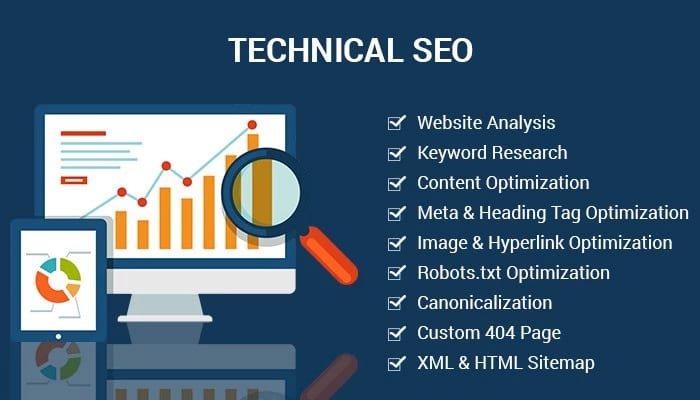
Search engine optimization (SEO) is more than just using the right keywords. Behind every well-ranked website lies a solid technical foundation that allows search engines to crawl, index, and display it effectively. This foundation is known as technical SEO — the backbone of any high-performing website.
While content and backlinks attract users, technical SEO ensures that your site is accessible, fast, and structured properly for both search engines and visitors. In this detailed guide, we’ll explain what technical SEO is and why it matters, especially for businesses striving to improve visibility and boost organic performance.
What Is Technical SEO?
Technical SEO refers to optimizing your website’s infrastructure so that search engines can efficiently crawl, interpret, and index your pages. It focuses on behind-the-scenes elements that make your site functional, secure, and high-performing.
In simple terms, technical SEO ensures that your website meets the technical requirements of modern search engines. This includes aspects like site speed, mobile responsiveness, structured data, and XML sitemaps. Without proper technical optimization, even the best-written content may never reach its audience.
Why SEO Matters
You may wonder — if your content is great, why worry about technical SEO? The answer is simple: search engines can’t rank what they can’t properly understand or access.
Here’s why technical SEO matters so much in today’s digital landscape:
-
Better Crawling and Indexing: A website with optimized technical SEO allows search engines like Google to find and index content efficiently.
-
Improved Site Speed: Faster websites provide better user experiences and rank higher in search results.
-
Mobile Optimization: With mobile-first indexing, websites must perform flawlessly on smartphones and tablets.
-
Higher Rankings: Technical SEO helps Google recognize your site as trustworthy, secure, and user-friendly.
-
Reduced Bounce Rate: A well-structured, fast-loading website encourages visitors to stay longer and engage more.
In short, technical SEO connects your content strategy with search engine algorithms, helping your business gain both visibility and authority.
Core Components of SEO
To understand what technical SEO matters, let’s explore its most crucial components.
1. Website Speed Optimization
Page speed directly influences user experience and search rankings. Tools like Google PageSpeed Insights and GTmetrix can help measure performance. Reducing image sizes, leveraging caching, and minimizing JavaScript all contribute to faster load times.
2. Mobile-Friendliness
Since Google’s mobile-first indexing, mobile optimization has become a top priority. A responsive design ensures your website adapts smoothly to any screen size.
3. Secure Connection (HTTPS)
Security is a major ranking factor. Migrating your site from HTTP to HTTPS with an SSL certificate not only protects user data but also boosts trust signals.
4. Crawlability and Indexing
Your site should be easy for search engines to explore. Proper use of robots.txt files, XML sitemaps, and canonical tags prevents indexing issues and duplicate content problems.
5. Structured Data (Schema Markup)
Structured data helps search engines understand your content better. Implementing schema markup can improve visibility in search results through rich snippets.
6. Fixing Broken Links and Redirects
Broken links or incorrect redirects frustrate users and search bots. Regular audits using tools like Screaming Frog or Ahrefs can keep your site healthy.
7. Clean URL Structure
Descriptive, short, and keyword-friendly URLs improve SEO performance and help users understand page context instantly.
How Technical SEO Affects Rankings
Technical SEO is the bridge between content and visibility. Even if your content is optimized with the right keywords, poor technical setup can block search bots from accessing your pages.
Google’s algorithms reward technically sound websites. A properly optimized website:
-
Loads quickly on all devices.
-
Has structured and error-free code.
-
Delivers a seamless user experience.
-
Provides clear navigation and logical internal linking.
When these conditions are met, your site earns higher authority, better rankings, and increased organic traffic.
Common Technical SEO Issues
Even well-designed websites often suffer from overlooked technical errors. Here are some common problems that can hurt your site’s ranking potential:
-
Slow page loading speeds.
-
Duplicate meta tags and content.
-
Missing or broken canonical URLs.
-
Incomplete XML sitemaps.
-
Improper redirect chains.
-
No HTTPS security.
-
Blocked pages in robots.txt.
Regular technical SEO audits are vital to catching these issues early and maintaining a healthy website structure.
Tools to Improve Technical SEO
Professional SEO experts use specialized tools to identify and fix technical issues. Some of the most effective ones include:
-
Google Search Console: To monitor crawl errors, indexing, and performance.
-
Screaming Frog: For comprehensive site audits and broken link detection.
-
Ahrefs / SEMrush: To analyze backlinks, site structure, and SEO health.
-
GTmetrix: For evaluating site speed and loading times.
-
Google PageSpeed Insights: To optimize mobile and desktop performance.
These tools make it easier to apply SEO best practices and track progress over time.
Best Practices for Technical SEO
Follow these proven strategies to strengthen your site’s technical foundation:
-
Optimize all images and videos for faster load times.
-
Ensure your site architecture supports easy navigation.
-
Use schema markup to improve SERP visibility.
-
Set up HTTPS and fix all mixed content warnings.
-
Create a responsive, mobile-first design.
-
Use canonical tags to avoid duplicate content.
-
Keep your XML sitemap up-to-date.
-
Compress CSS and JavaScript files.
By consistently applying these methods, you’ll strengthen your site’s ranking potential and improve user engagement.
The Connection Between Technical SEO and User Experience
While technical SEO primarily benefits search engines, its true impact lies in improving user experience. Faster loading speeds, clear navigation, and responsive layouts make browsing enjoyable. When users stay longer and engage more, Google sees this as a positive signal — reinforcing why SEO matters for long-term visibility.
How Often Should You Audit Technical SEO?
A quarterly audit is ideal for most businesses. However, for websites with frequent updates or large content libraries, monthly reviews are better. Regular analysis ensures that algorithm changes or site updates don’t negatively affect rankings.
Final Thoughts
Understanding what technical SEO is and why it matters is crucial for anyone serious about online growth. It’s not just about pleasing algorithms — it’s about creating a smooth, reliable, and enjoyable experience for users.
A strong technical SEO foundation allows your content and marketing efforts to perform at their best. By optimizing your website’s speed, structure, and security, you build trust with both users and search engines — paving the way for long-term success.