Search engine optimization continues to evolve, but one principle remains constant: websites that provide the best experience and value to users will rank higher. While technical SEO and backlinks are important, improving what’s directly on your pages is just as crucial. That’s why learning effective on-page SEO optimization tips is key for anyone serious about building visibility in 2025.
This guide explores proven methods to optimize your website content, structure, and design so you can achieve higher rankings and attract the right audience.
Why On-Page SEO Matters
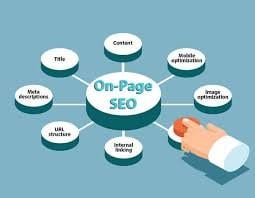
On-page SEO refers to everything you can control within your own website. From keyword placement and meta tags to content quality and internal linking, these elements signal to search engines what your page is about.
Unlike off-page strategies such as backlinks, on-page improvements provide direct and immediate benefits. Applying strong on-page SEO optimization tips ensures your content is discoverable, user-friendly, and aligned with Google’s ranking factors.
1. Crafting High-Quality, Relevant Content
Content remains the foundation of SEO. High-quality, original, and helpful information is what search engines prioritize. Pages that solve real problems or answer specific questions perform better.
When using keywords, focus on natural integration instead of overstuffing. Structuring content with headings, bullet points, and clear paragraphs makes it easy to read. This is one of the most essential on-page SEO optimization tips for long-term growth.
2. Optimizing Title Tags and Meta Descriptions
Your title tag is the first thing users and search engines see. It should include your target keyword naturally and remain under 60 characters. Meta descriptions, though not a ranking factor, influence click-through rates by providing context.
For example, including on-page SEO optimization tips in your title and description signals relevance while encouraging users to click.
3. Using Header Tags Properly (H1, H2, H3)
Header tags help structure content logically. The H1 should contain your primary keyword, while H2s and H3s break down supporting topics. This makes content scannable for both readers and search engines.
A well-structured article not only improves readability but also aligns with modern on-page SEO optimization tips that emphasize user experience.
4. Internal Linking for Better Navigation
Internal links connect different pages of your website, guiding users and helping search engines understand site structure. Linking to relevant blog posts, product pages, or resources spreads authority across your site.
Strategic linking is among the top on-page SEO optimization tips because it keeps users engaged and reduces bounce rates while boosting indexability.
5. Image Optimization with Alt Text
Images enhance engagement but must be optimized to support SEO. Using descriptive file names, compressing images for faster loading, and adding alt text ensures accessibility and relevance.
Since search engines cannot “see” images, alt text provides important context. Adding these elements is one of the simplest on-page SEO optimization tips that improves both SEO and user experience.
6. Improving Page Speed and Mobile Experience
A slow-loading website discourages users and hurts rankings. Tools like Google PageSpeed Insights help identify bottlenecks. Compressing files, using caching, and optimizing hosting can significantly improve load times.
With most users browsing on mobile devices, responsive design is essential. Prioritizing speed and mobile usability aligns with modern on-page SEO optimization tips recommended by search engines.
7. Using Structured Data and Schema Markup
Structured data provides additional context about your content, helping search engines display rich snippets. For example, product reviews, FAQs, and event listings appear prominently when schema is applied.
Adding structured data is among the most technical yet powerful on-page SEO optimization tips, as it improves visibility and click-through rates.
8. Enhancing URL Structure
Clean, descriptive URLs improve both SEO and user trust. A simple format like www.example.com/on-page-seo-tips is better than a string of random numbers or characters.
Including your keyword in the URL, when appropriate, strengthens relevance. This makes URL structure one of the fundamental on-page SEO optimization tips to implement early.
9. Boosting Engagement with Multimedia
Engagement metrics like time on page and bounce rate matter. Adding videos, infographics, and interactive elements increases visitor retention.
Creating a more dynamic experience goes hand-in-hand with on-page SEO optimization tips that prioritize user satisfaction as a ranking signal.
10. Regularly Updating Content
Search engines reward freshness. Updating old articles with new statistics, insights, and media shows that your website is active and trustworthy.
One of the often-overlooked on-page SEO is revisiting existing content to refine keywords, improve readability, and add value.
Benefits of Strong On-Page SEO
Applying these strategies consistently delivers:
- Higher Rankings through improved relevance
- Better User Experience with clear, structured content
- Increased Organic Traffic from targeted keywords
- Stronger Brand Authority by showcasing expertise
The more you invest in optimization, the more visible and trustworthy your website becomes.
Common Mistakes to Avoid
While optimizing, beware of pitfalls such as:
- Keyword stuffing that harms readability
- Duplicate content across multiple pages
- Ignoring mobile users
- Overlooking meta descriptions
Avoiding these errors is just as important as applying on-page SEO optimization tips correctly.
The Future of On-Page SEO
Looking ahead, search engines will continue prioritizing intent, semantic search, and user experience. AI-driven analysis, voice search, and personalized results will redefine optimization.
Start applying on-page SEO optimization tips now to stay ahead of these evolving trends and maintain a competitive edge.
Conclusion
On-page SEO may seem overwhelming, but the reality is that even small, consistent changes create measurable results. From optimizing titles and meta descriptions to improving speed and internal linking, every step strengthens your digital presence.
Success in 2025 will belong to websites that prioritize relevance, user experience, and adaptability. By following these proven on-page SEO optimization tips, you’ll not only boost rankings but also create a website that truly serves your audience.