
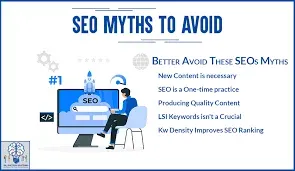
Understanding SEO myths that hurt your rankings is essential for anyone serious about improving search visibility. Many businesses and creators still follow outdated advice or shortcuts that once worked but now damage performance and credibility. As Google’s algorithm evolves, the tactics that once boosted sites can now lead to penalties, lower clicks, or stalled ranking growth.
If you want long-term success, debunking these misconceptions is critical. Below are the most common SEO myths that hurt your rankings and what to do instead for real results.
1. Keyword Stuffing Improves Rankings
Many people still believe overusing keywords improves SEO. In reality, stuffing content hurts readability and triggers spam filters.
✅ Focus on natural keyword placement
✅ Use related terms and semantic keywords
✅ Write for humans first
2. More Backlinks Always Mean Better Rankings
Backlinks matter, but quality beats quantity. Low-quality links can lead to Google penalties.
✅ Prioritize trusted, relevant sites
✅ Earn links through valuable content
✅ Avoid link farms or spammy paid links
3. Longer Articles Automatically Rank Higher
Length does not equal value. Some short content outranks long posts if it answers search intent better.
✅ Focus on clarity, not length
✅ Cover the topic fully, not forcefully
✅ Provide a great user experience
4. SEO Is a One-Time Task
SEO is ongoing. Algorithms change, competitors rise, and user behavior evolves. Treat SEO as a long-term process.
✅ Keep updating content
✅ Monitor analytics and rankings
✅ Adjust strategy regularly

5. Social Media Directly Boosts Google Rankings
Social signals do not directly impact rankings. However, social engagement supports visibility and brand authority.
✅ Use social for traffic and awareness
✅ Encourage content sharing
✅ Build credibility indirectly supporting SEO
6. AI Content Always Hurts SEO
AI content isn’t automatically bad. Poor-quality AI content hurts rankings — not AI itself.
✅ Edit and optimize AI output
✅ Add expert insights and accuracy
✅ Make content helpful and human-friendly
7. You Must Rank #1 to See Results
High rankings matter, but search engines show multiple result types: featured snippets, videos, local packs, FAQs, brand mentions, and more.
✅ Focus on CTR, engagement, and conversions
✅ Target multiple search placements
✅ Build strong brand presence
8. Meta Keywords Still Matter
Meta keywords have been obsolete for years Google completely ignores them.
✅ Use modern SEO tags
✅ Focus on meta titles & descriptions
✅ Improve page experience signals
Final Thoughts
Falling for SEO myths that hurt your rankings can lead to wasted time, lost traffic, and poor performance. Instead, focus on helpful, high-quality content, technical improvements, smart keyword use, and ethical link-building. Consistent optimization and strategic planning are the real keys to SEO success.
When you avoid outdated tactics and follow proven methods, you protect your site and set a clear path toward growth.