
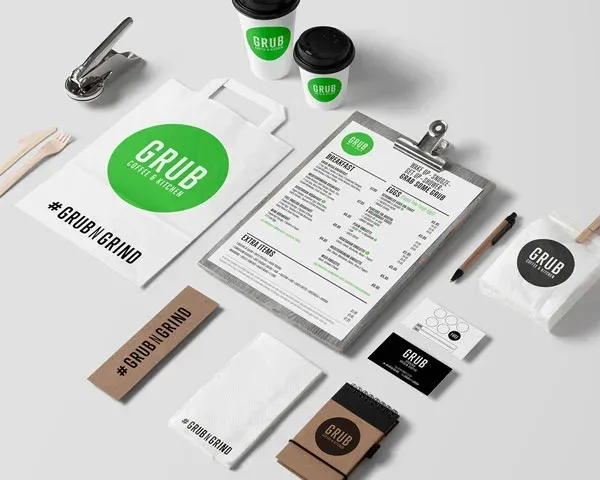
In today’s competitive digital and print landscape, every business needs strong visuals and persuasive messaging to stand out. Understanding how to design engaging marketing materials is essential for capturing audience attention, building trust, and encouraging action. Whether you’re designing brochures, social media graphics, emails, infographics, or banners, compelling design can be the difference between being noticed and being ignored.
This guide will walk you through key principles, practical tips, and creative strategies to make your promotional content more impactful and memorable.
Why Engaging Marketing Materials Matter
People are bombarded with content every day. Therefore, businesses need materials that are visually appealing, easy to understand, and strategically built to motivate action.
Here’s why knowing how to design engaging marketing materials matters:
-
Boosts brand recognition
-
Holds attention longer
-
Simplifies messaging
-
Improves leads and conversions
-
Builds emotional connection
-
Strengthens professional credibility
Engaging design isn’t just about looking good—it’s about communicating effectively.
Start With Your Audience & Goal
Before creating anything, define:
-
Who your audience is
-
What problem they have
-
What action you want them to take
Designing without intent leads to confusing materials. Understanding how to design engaging marketing materials always begins with a purpose.
Use Consistent Brand Identity
Brand consistency builds familiarity and trust. Ensure:
-
Brand colors match your style guide
-
Fonts remain consistent
-
Logo placement is uniform
-
Tone of voice stays aligned
Your marketing materials should instantly feel like they belong to your brand. If your brand has a modern tone, your design should reflect it. If your identity is elegant and premium, use minimalistic layouts and sophisticated fonts.
Leverage Color Psychology Strategically
Colors trigger emotions and influence buyer behavior. When learning how to design engaging marketing materials, understanding color psychology becomes a major advantage.
For example:
-
Blue = Trust, reliability (banks, tech brands)
-
Red = Urgency, excitement (sales promotions)
-
Green = Growth, health (eco brands, wellness)
-
Yellow = Optimism, energy (youth brands)
Choose colors that match your brand message and emotional goals.

Write Clear, Compelling Copy
Even visually stunning designs fail without strong messaging. Focus on:
-
Short, punchy headlines
-
Action-driven CTAs (Call-to-Action)
-
Simple language
-
Benefits, not features
Good copy turns design into a persuasive experience.
Examples:
❌ “Our product is high quality.”
✅ “Enjoy long-lasting performance you can trust.”
Clarity wins over cleverness every time.
Follow Visual Hierarchy Principles
When learning how to design engaging marketing materials, understanding visual hierarchy helps you guide the viewer’s eye.
Use:
-
Large, bold headlines
-
Subheadings for structure
-
Eye-catching focal points (images, icons)
-
Balanced spacing
-
Contrasting colors
Your most important information should always stand out first.
Use High-Quality Imagery
Images can speak louder than text. To enhance design quality:
-
Use professional graphics
-
Choose images with context and relevance
-
Avoid blurry or pixelated assets
-
Use icons and illustrations thoughtfully
Visuals help establish mood and enhance comprehension.
Balance Text & Visuals
Too much text overwhelms the viewer. Too many visuals weaken the message. Great marketing materials achieve balance.
Tips:
-
Use bullet points instead of long paragraphs
-
Break text into digestible blocks
-
Add infographics to simplify data
If you know how to design engaging marketing materials, you’ll always aim for clarity and simplicity.
Make It Easy to Read
Readability keeps users engaged. Follow these rules:
-
Choose legible fonts
-
Avoid overly decorative text
-
Ensure proper contrast
-
Maintain consistent spacing
A beautiful design is useless if people struggle to read it.
Design for Multiple Platforms
Marketing today spans both digital and print channels. Always optimize for:
-
Mobile screens
-
Print resolution settings
-
Social media post dimensions
-
Responsive layout formats
Flexible materials improve brand reach and performance.
Test & Analyze Results
Engaging materials come from iteration, not luck. Track:
-
Click-through rates
-
Social engagement
-
Print response rates
-
Conversion percentages
Testing helps refine what resonates most.
Bonus: Psychological Techniques
Boost engagement using:
| Technique | Benefit |
|---|---|
| Social proof | Builds trust |
| Urgency | Encourages quick action |
| Emotion triggers | Creates connection |
| White space | Improves focus |
| Directional cues | Guides viewer attention |
Understanding these concepts strengthens your ability to design persuasive visuals.
Examples of Engaging Materials
-
Product brochures
-
Social media ads
-
Email newsletters
-
Business presentations
-
Event flyers
-
Explainer graphics
-
Website banners
Every format requires creativity and clarity.
Final Thoughts
Learning how to design engaging marketing materials is a blend of creativity, psychology, and strategy. You must understand your audience, craft strong messages, use powerful visuals, and maintain consistency.
Remember, effective marketing design:
-
Captures attention
-
Delivers value fast
-
Prompts action
When your design communicates clearly and visually appeals, your brand wins attention and business.