
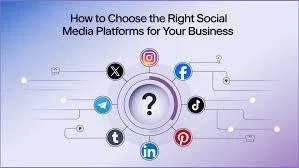
In the fast-changing digital landscape, social media continues to be a vital tool for business growth. However, not every platform delivers the same results—especially for B2B companies. Selecting the right networks determines whether your content reaches decision-makers or gets lost in the noise. This guide will help you with choosing best social media platforms for B2B, offering insights into which platforms work best and why.
Understanding B2B Social Media Marketing
Before choosing best social media platforms for B2B, it’s essential to understand how B2B marketing differs from B2C. Business-to-business marketing focuses on building relationships, trust, and long-term partnerships rather than quick purchases.
Your content should educate, inform, and solve real business problems. That means your social media strategy should prioritize thought leadership, credibility, and value-driven communication rather than viral trends or impulse engagement.
Why Platform Selection Matters
Not all social media networks serve the same purpose. While some platforms thrive on entertainment and lifestyle content, others are designed for professional networking and information sharing. The process of choosing best social media platforms for B2B requires understanding where your audience spends their time and how they consume information.
By focusing your resources on the right platforms, you can:
-
Generate qualified leads.
-
Improve brand visibility among decision-makers.
-
Drive website traffic and conversions.
-
Strengthen your authority within your industry.
1. LinkedIn The Leading B2B Platform
When choosing best social media platforms for B2B, LinkedIn is often the first and most powerful choice. It’s built specifically for professionals, making it ideal for reaching executives, managers, and business owners.
LinkedIn allows companies to:
-
Publish thought leadership content.
-
Engage in industry discussions.
-
Run targeted ad campaigns.
-
Build trust through employee advocacy and testimonials.
In 2025, LinkedIn’s algorithms prioritize meaningful engagement, not just likes or shares. So, posting valuable insights, case studies, and research-backed content helps brands stand out.
For B2B marketers, LinkedIn offers unmatched opportunities for networking and lead generation, making it a top contender when choosing best social media platforms for B2B.
2. X (formerly Twitter) For Thought Leadership and Trends
Another key platform when choosing best social media platforms for B2B is X (formerly Twitter). It’s the go-to channel for staying updated on trends, engaging in real-time conversations, and sharing concise updates.
Businesses use X to:
-
Share insights and data-driven content.
-
Participate in trending industry discussions.
-
Interact directly with customers and peers.
-
Promote events, webinars, and product launches.
In B2B marketing, X’s real-time engagement helps brands stay visible and relevant. Its simplicity encourages conversations that drive awareness and credibility.
3. Facebook For Brand Awareness and Community Building
While Facebook is often considered a B2C platform, it still plays a valuable role in choosing best social media platforms for B2B. With over two billion users, it remains one of the largest networks globally, offering unmatched reach and advertising capabilities.
B2B companies can use Facebook to:
-
Share educational content such as blogs, videos, and infographics.
-
Create business pages and communities for audience engagement.
-
Use Facebook Ads to target professionals by job title, interests, or behavior.
Additionally, Facebook Groups have become a hub for professional discussions and collaborations, allowing brands to nurture meaningful relationships with their audience.
4. YouTube For Educational and Long-Form Content
If your marketing strategy includes video content, YouTube is an excellent option when choosing best social media platforms for B2B. It allows businesses to build authority by creating detailed tutorials, webinars, product demos, and expert interviews.
Video marketing on YouTube helps brands:
-
Simplify complex products or services.
-
Establish expertise through visual storytelling.
-
Improve SEO by ranking videos in Google search results.
Moreover, many B2B buyers research solutions on YouTube before making purchasing decisions. That makes it a critical platform for increasing brand awareness and trust.
5. Instagram For Visual Storytelling and Employer Branding
Though often seen as a consumer-focused platform, Instagram is becoming increasingly relevant in choosing best social media platforms for B2B. Many B2B brands use it for storytelling, behind-the-scenes content, and showcasing company culture.
Through engaging visuals and short-form videos, businesses can:
-
Build emotional connections with audiences.
-
Strengthen brand identity through creative visuals.
-
Attract top talent by highlighting company culture.
Features like Reels, Stories, and Live videos help humanize your brand, which can significantly boost engagement and trust.
6. You Might Consider TikTok — The New B2B Frontier
Surprisingly, TikTok has evolved into more than just a platform for entertainment. Forward-thinking brands now include it when choosing best social media platforms for B2B.
With short, creative videos, companies can:
-
Showcase brand personality.
-
Share educational and thought-leadership content.
-
Reach younger decision-makers entering the workforce.
While TikTok might not suit every B2B company, it’s a growing space for authentic engagement and trend-based marketing.
How to Choose the Right Platforms for Your B2B Brand
Selecting the right network depends on your goals, audience, and resources. Here’s a quick checklist for choosing best social media platforms for B2B effectively:
-
Define Your Audience:
Identify your target industries, roles, and decision-makers. -
Set Clear Goals:
Are you aiming for brand awareness, lead generation, or customer retention? -
Analyze Platform Demographics:
Study where your audience is most active. -
Review Content Formats:
Some platforms favor visuals (Instagram, TikTok), while others thrive on thought leadership (LinkedIn, X). -
Assess Resources:
Focus on a few platforms you can manage effectively instead of spreading your efforts thin. -
Track Performance:
Use analytics to measure engagement, reach, and conversions across channels.
By taking these steps, your business can focus on the most impactful networks for sustainable growth.
The Future of B2B Social Media in 2025
As we move further into the digital era, the line between B2B and B2C content continues to blur. The most successful brands will be those that bring human connection into professional interactions.
When choosing best social media platforms for B2B, it’s not just about where your audience is—it’s about how you engage them. Combining value-driven content with authentic storytelling will remain the foundation of every effective B2B social strategy.
Conclusion
In conclusion, choosing best social media platforms for B2B is about understanding your audience, objectives, and content style. LinkedIn remains the top platform for professional engagement, while X, Facebook, YouTube, Instagram, and even TikTok offer unique opportunities to expand your brand presence.
With a clear strategy, consistent messaging, and valuable content, your business can use social media to build authority, nurture relationships, and drive long-term success.